当前位置: “讲好中国故事”创意传播国际大赛>
《变迁中的潘家园——在新与旧中借力生长》——2024“讲好中国故事”创意传播国际大赛全国大学生专项赛获奖作品展播
发布时间: 2025-07-21 | 来源: 中国网 | 作者: 张佳怡
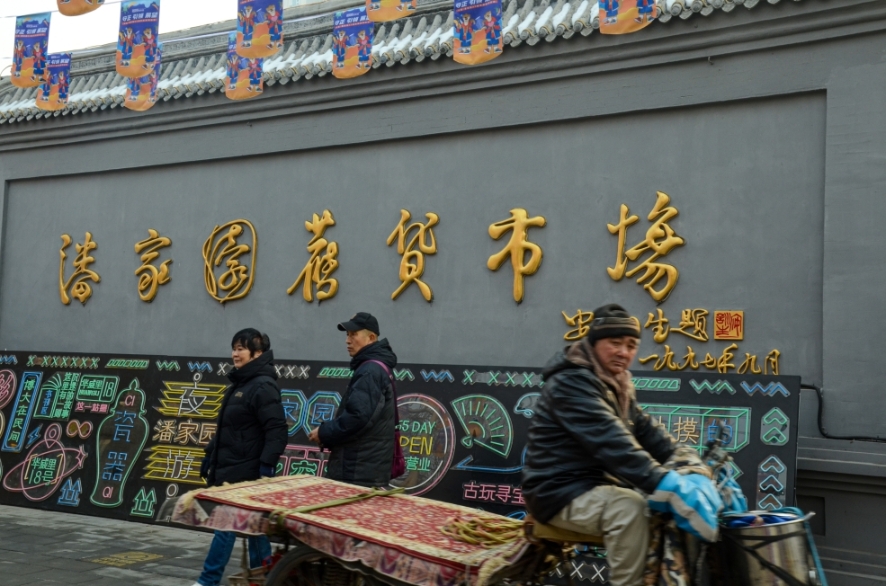
走进潘家园,新与旧碰撞的气息扑面而来:1997与2024的牌匾相邻而依。
Stepping into Panjiayuan, the air hums with a collision of eras: signboards from 1997 and 2024 stand side by side, their timelines intertwined in silent dialogue.
在北京的潘家园旧货市场,传统与潮流并存,市井与资本交错。这座已有三十多年历史的市场,承载着无数淘宝者的记忆,如今也站在了新旧更迭的十字路口。老北京有句流传了十几年的俗语:“天安门广场抬头看升旗,潘家园旧货市场低头寻国宝”。到了今天,天安门抬头看的还是国旗,潘家园低头找的可就不止“国宝”了。
【一面是古玩 一面是潮玩】
潘家园的割裂感,从牌匾便已显现。1997年的书法题字“潘家园旧货市场”下,悬挂着一块色彩斑斓的发光灯牌,上书“365 Day Open”的“文化夜市”。白日里售卖“晚清麒麟送子老瓷器”的摊位,夜幕降临后,便开始兜售泡泡玛特盲盒与日本动漫周边抽奖。
这样的对比无处不在。随着疫情防控的放开与社交媒体的推波助澜,潘家园涌入了越来越多年轻人。格子衫的宅男们在奥特曼手办前流连忘返,小红书的网红在摊位前与摊主唇枪舌剑,砍价仿佛成了一种游戏,一种成长的标志,即便只压下一两块钱,也能收获满足感。在竞争激烈的时代,砍价带来的微小胜利,成为年轻人确认自我价值的方式之一。
摊位间,年轻人以不同的身份交汇。有的最初只是为了出售闲置的盲盒,意外地发现手工制作的蝴蝶标本更受欢迎,便在辞职的空窗期将摆摊变为一种尝试。从副业的补充到生活的寄托,人与人的联结成为其中重要的一环。曾有顾客带来珍贵的枯叶蛱蝶,请求制作标本,这份信任带来的满足感,远超交易本身。当有人在社交平台询问下一次的摆摊时间,那些原本漂泊于大城市的年轻人,仿佛多了一份羁绊和期待。
在人潮涌动的潘家园,来自不同背景的年轻人聚集于此,在交流与陪伴中暂时摆脱城市生活的茫然与未来的不确定性,寻找到一份短暂而珍贵的松弛感。
【守艺与营生的接力】
潘家园的商贩大致可分为三类:卖商品的,卖故事的,和卖手艺的。前两者占据市场的大多数——商品种类繁多,价格亲民,自然受到青睐;故事讲得生动有趣,令顾客在笑谈间愉快成交。而手艺人则显得格外安静,他们不吆喝、不攀谈,专注于刻画属于自己的世界。
在众多摊位中,篆刻匠人安静地雕琢着石面。作为非物质文化遗产的传承者,他执刀四十余载,却难以在快节奏的市场中占得一席之地。手工篆刻需经历选材、设计、制印、钤印等繁复工序,短则数小时,长则数日,而大多数游客并无耐心等待。相较于批量制成的印章,手工雕刻价高且耗时,显得尤为冷清。三日间,他仅完成十三方印章,交付摊位费后,最终售出者寥寥。然而,只要有人驻足观赏,流露出对这门技艺的喜爱,便足以支撑他在漫漫岁月中的坚持。
另一位年轻画师的境遇则有所不同。凭借国画,他在这座城市找到了立足之地。他将自己的创作过程录制上传,开设线上店铺,许多顾客通过网络下单,或选择来潘家园自取。近年来,短视频平台在此设立直播基地,吸引更多匠人投身其中,也令更多人因一方屏幕而走进潘家园。传统手艺的存续,从未止步于坚守,而是在时代更迭中,摸索一条兼顾传承与生计的新路径。
【从旧货市场走向世界】
随着“智利总统逛北京潘家园”上了热搜,潘家园在世界的知名度也越来越响。其实,“登长城、吃烤鸭、逛潘家园”早已成了外国人来北京必做的三件事。
潘家园有外国人闲逛早已不是稀奇事,几位古玩店店主表示经常遇到外国游客。“大多是旅游时买了当伴手礼,也有懂行的,特意坐十几小时飞机过来的收藏家。”“他们对过去的中国很感兴趣,他们买旧物件、古玩,希望通过这些老物件与旧中国产生关联。”
古老的东方古国,在潘家园徐徐展开画卷,在岁月的一物一什中,连结通向世界的“丝绸之路”。
在潘家园,你能找到小商品市场批发的手串,也能捡漏明清时期的国宝;你能看到坚守梦想的手艺人,也能见到摆摊糊口的北漂人;你能淘到古色古香的小物件,也能买到炒得正火的潮玩……在这里有极致的两代人,也有毫不相干的两种文化,他们相撞相融,汇成浑然天成的人间烟火。在钢筋水泥的城市中,总要有一个地方包容万物,敞开怀抱。
破旧的土壤上,新的生命正在拔节生长。
Beijing's Panjiayuan Market, a blend of tradition and trend, is a place where the old meets the new, and street culture intertwines with capital. With over thirty years of history, the market, which holds the memories of many treasure hunters, now stands at a crossroads of transformation.
Old Antiques and Trendy Toys The market's duality is apparent from its signs. Beneath the calligraphy plaque inscribed in 1997, colorful neon lights advertise a“365 Day Open Cultural Night Market.” By day, vendors sell antiques like Qing Dynasty porcelain, but by night, the market transforms, offering popular toys and Japanese anime lottery items. This contrast is everywhere, as more and more young people, drawn in by social media and eased pandemic restrictions, flock to the market. Bargaining, for some, has become a game—a way to find satisfaction and self-affirmation in a competitive world.
Crafts and Livelihood The vendors at Panjiayuan can be categorized into three types: those selling products, those selling stories, and those selling craftsmanship. The first two dominate, with a wide array of affordable items and engaging tales that captivate customers. Meanwhile, artisans like Duan Yongping, a seal carver, take a slower, more focused approach to their craft. Despite the demand for handmade items, their painstaking work often goes unnoticed due to the fast-paced nature of the market. However, for Duan, the joy comes from those who stop to appreciate his art, a reminder that craftsmanship survives not just through perseverance, but through adaptation to modern times, such as by sharing his work online.
From Local Market to Global Spotlight Panjiayuan’s fame has spread globally, with foreigners now considering it a must-see destination in Beijing. Many tourists buy antiques as souvenirs, while collectors visit for rare pieces. The market connects China’s ancient past with the world, becoming a modern Silk Road that links cultures through its artifacts.
At Panjiayuan, you can find everything from mass-produced trinkets to Ming and Qing Dynasty treasures; from passionate craftsmen to young vendors making a living. It is a place where different generations and cultures collide and blend, offering a rare space of openness in a bustling city. Amid the concrete and steel, Panjiayuan thrives, nurturing new life on the old soil.
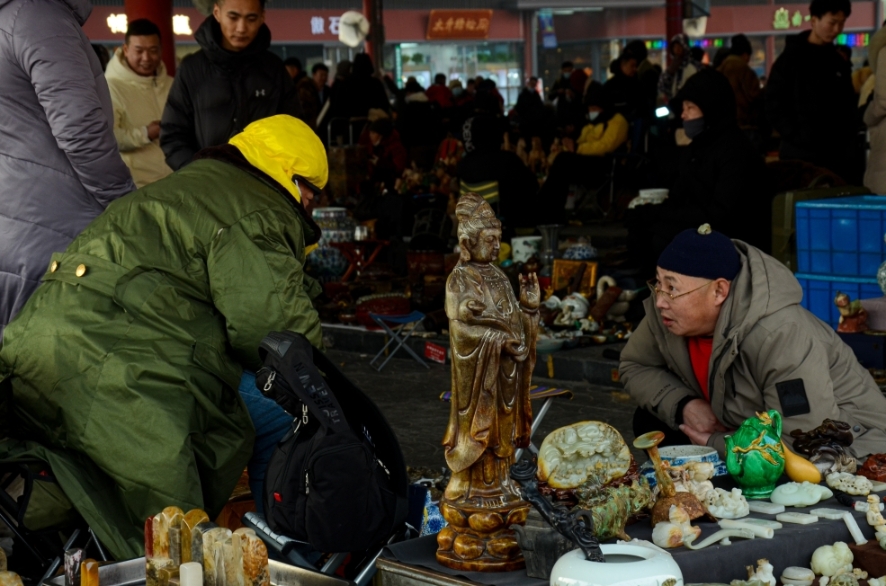
旧物什的新归途:沉寂中的老物件遇到了有缘的买主。
The New Journey of Old Treasures: Silent relics of the past find new life in the hands of their destined owners.
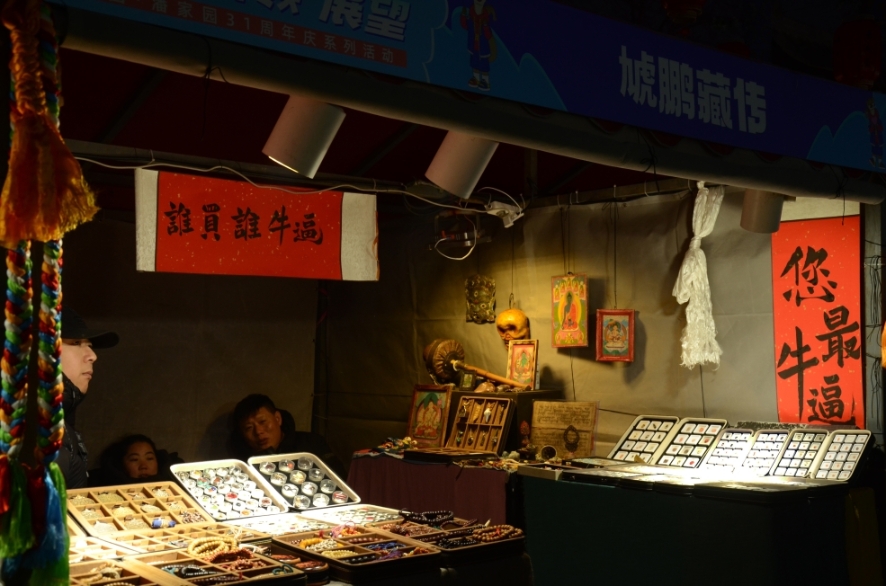
古饰品店的新书法:复古与新潮的结合。
The Novel Calligraphy of the Antique Jewelry Shop: A Fusion of Vintage Elegance and Modern Flair.
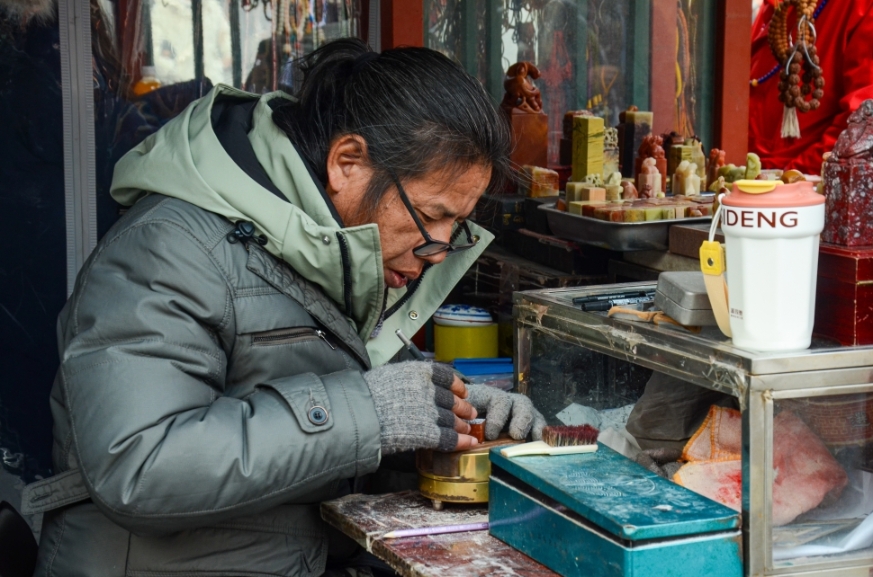
刻印章的老手艺人:传承非遗文化的坚守。
The Master Engraver: A Dedicated Guardian of Intangible Cultural Heritage.
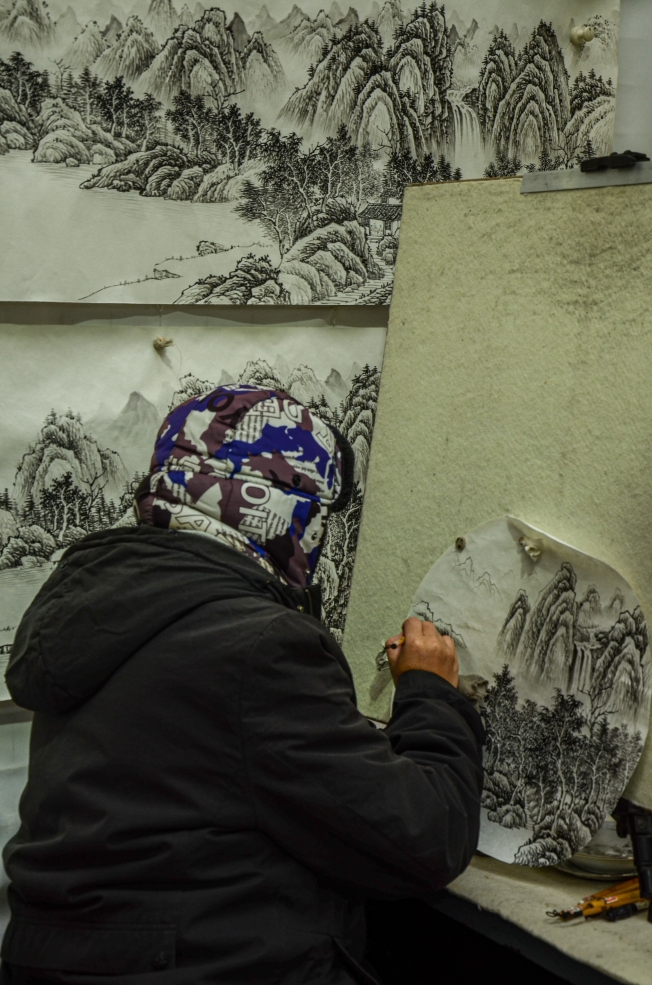
集市画画的年轻人:梦想与谋生的交汇点。
The Young Artist at the Market: Where Dreams Meet Bread.
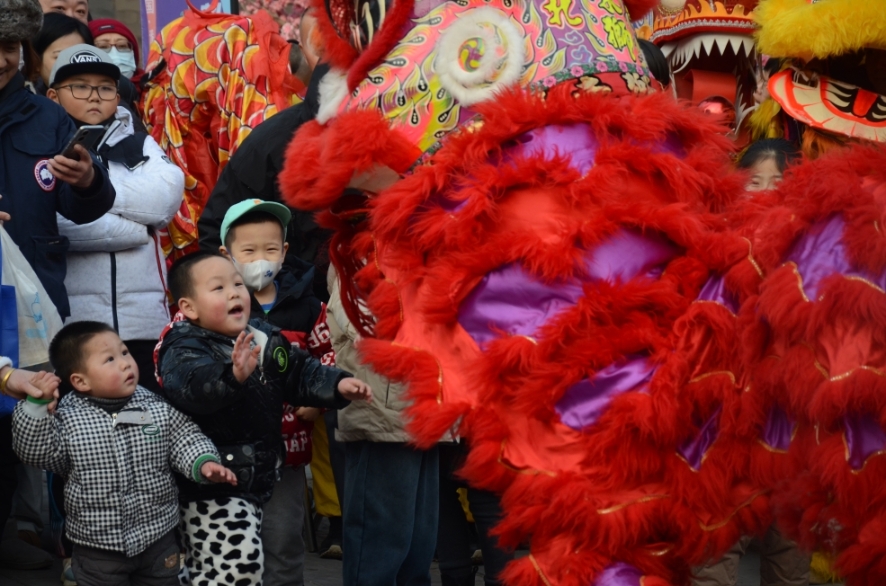
古艺术与新花朵的相遇:中华文化瑰宝的传承与创新。
The Encounter of Ancient Art and New Blossoms: Inheriting and Innovating the Treasures of Chinese Culture.
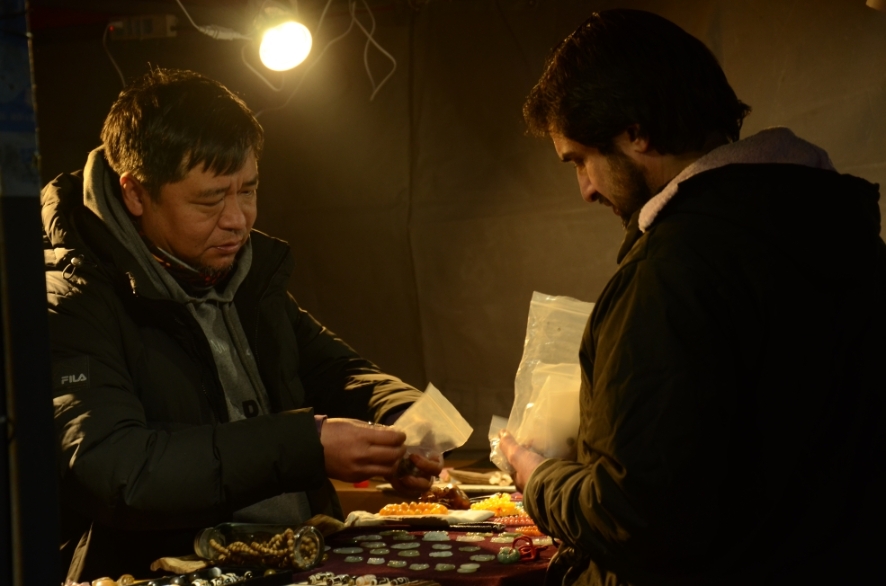
一条别样的丝绸之路在潘家园缓缓铺展。
A Unique Silk Road Unfolds in Panjiayuan.
学校名称:北京外国语大学
主创团队:张佳怡
指导教师:王晶